Managing Fibroids Naturally: Diet and Exercise Tips That Help
Prevalence of Fibroids
Uterine fibroids affect up to 80% of women at some point in their lives, making them a predominantly common health condition among women of reproductive age. The likelihood increases if there is a family history of fibroids.
What Are Fibroids?
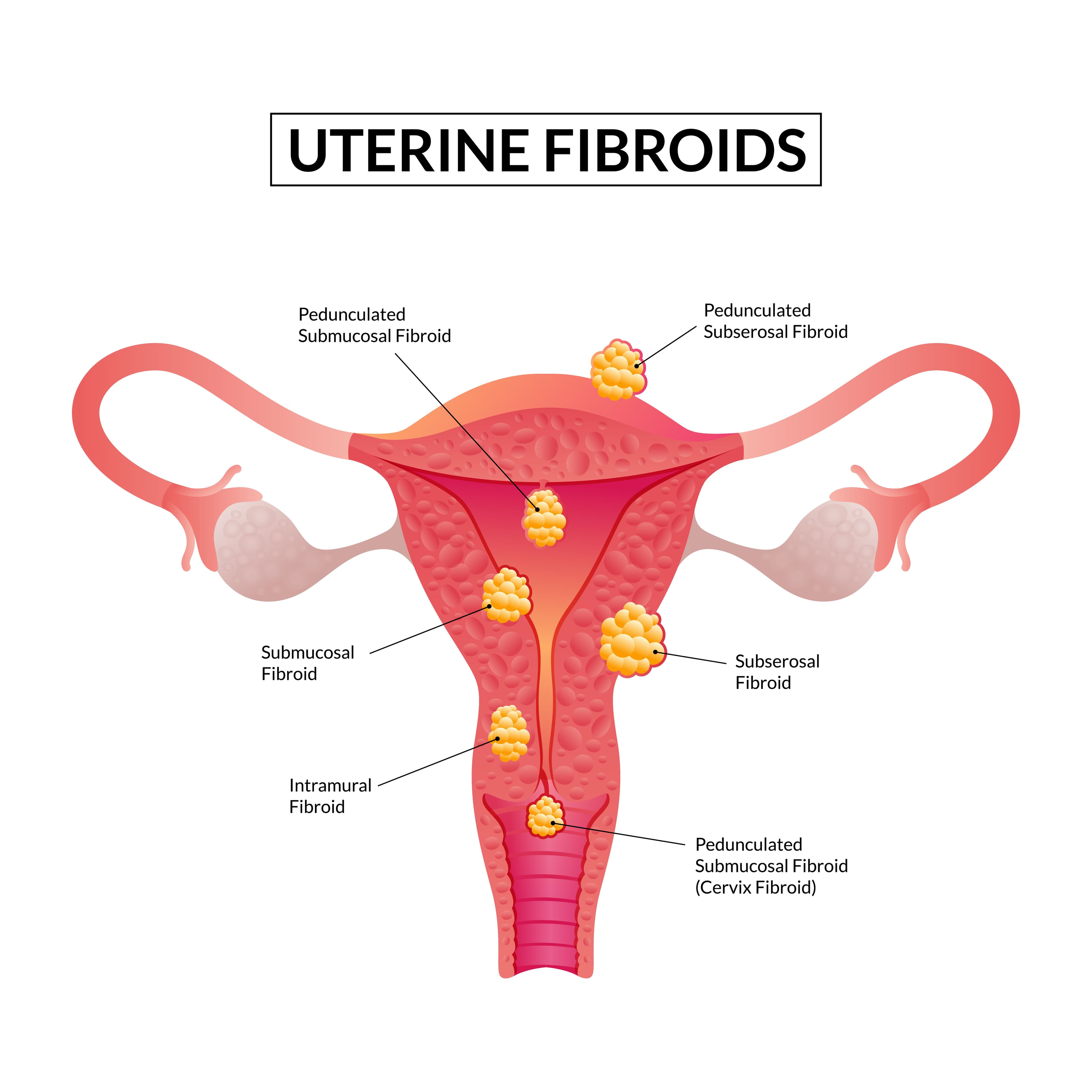
Fibroids are non-cancerous muscle and connective tissue growth within or on the uterus. Their size varies widely—from tiny seedlike lumps to ones exceeding the size of a tennis ball or even a grapefruit. While mostly benign, these growths can cause significant discomfort or complications depending on their size and location.
Common Symptoms and Health Effects
Fibroid symptoms range from none to severe and can include heavy menstrual bleeding, pelvic pain, pressure, constipation, anemia, and fertility challenges. They are a leading cause of hysterectomy, emphasizing the potential impact fibroids can have on women's reproductive health.
Importance of Lifestyle in Management
Lifestyle factors play a critical role in fibroid management. Maintaining a healthy weight through regular physical activity and adopting a balanced diet rich in fruits, vegetables, including whole grains, and lean proteins in diet can also support hormone balance and potentially slow fibroid growth. Its equally important to avoid alcohol and high-sugar processed foods. Managing stress, and ensuring adequate vitamin D intake are additional crucial steps.
Early detection and proactive lifestyle modifications are beneficial in managing symptoms and improving overall uterine health.
What foods should patients with uterine fibroids eat?
Patients with uterine fibroids benefit from a diet rich in green vegetablessuch as kale, spinach, broccoli, and cocoyam leaves. These vegetables provide fiber and anti-inflammatory substances that help regulate hormones and may slow fibroid growth.
Vitamin A and Vitamin C rich fruits and vegetables like oranges, lemons, carrots and grapefruits also support healthy tissue repair. In addition, incorporating lean proteins such as chicken and poultry over red meat and also adding fish with fatty acids (salmon, mackerel, tuna) helps reduce estrogen stimulation and inflammation, which are linked to fibroid development.
Whole grains, including unprocessed cereals like oats and brown rice, supply fiber and antioxidants that assist in balancing hormone levels.
Green tea benefits for fibroids is another valuable addition; it contains epigallocatechin gallate (EGCG), a compound known to reduce estrogen levels and inhibit the growth of fibroids.
Anti-inflammatory and hormone-regulating foods
A diet focusing on anti-inflammatory foods—such as leafy greens, berries, ginger, turmeric, cruciferous vegetables (e.g., broccoli, cabbage and cauliflower), and healthy fats—supports hormone balance and reduces inflammation.
Importance of fiber, vitamins, and antioxidants
Fiber rich foods are essential to aid digestion and help eliminate excess estrogen.
Foods to avoid including processed foods, sugar, and phytoestrogens
Limiting intake of processed foods and red meat, refined carbohydrates and added sugars is important as these can increase inflammation and hormone imbalances.
Avoiding foods high in phytoestrogens , like soy, tofu, and flaxseed, is advised since they may influence estrogen levels and promote fibroid growth. Limiting alcohol and excessive caffeine consumption should also be to considered to prevent hormone disruption and inflammation.
Need Our Services?
Book an appointment with our experienced healthcare professionals.