Global Mercy In Ghana: 2,600 Free Surgeries in 10 Months
Somewhere in Ghana this week, a woman who has lived with obstetric fistula for years will be told she qualifies for surgery. A child with a cleft lip will be scheduled. A man who lost his sight to cataracts will be given a date.None of them will pay anything.
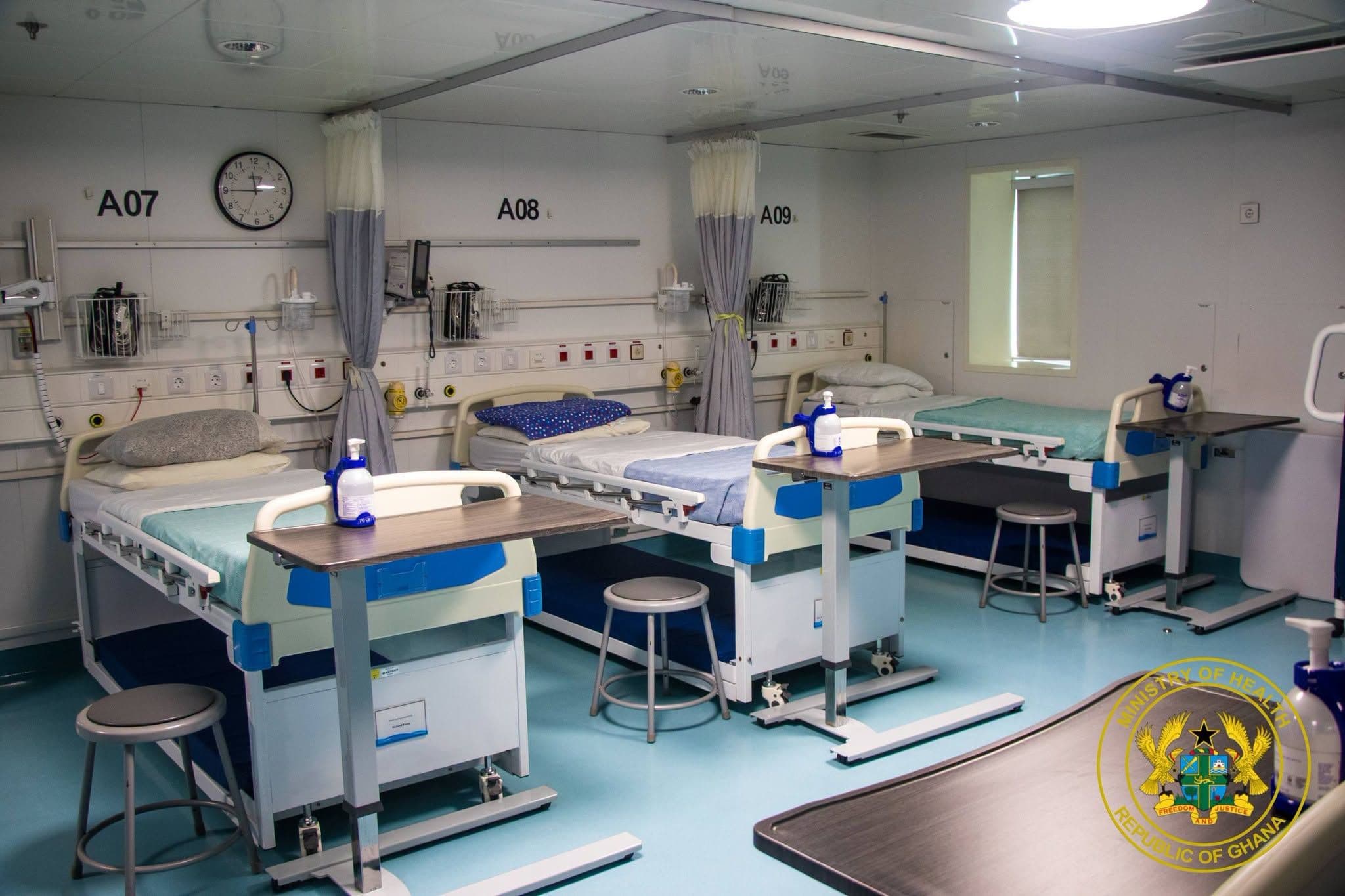
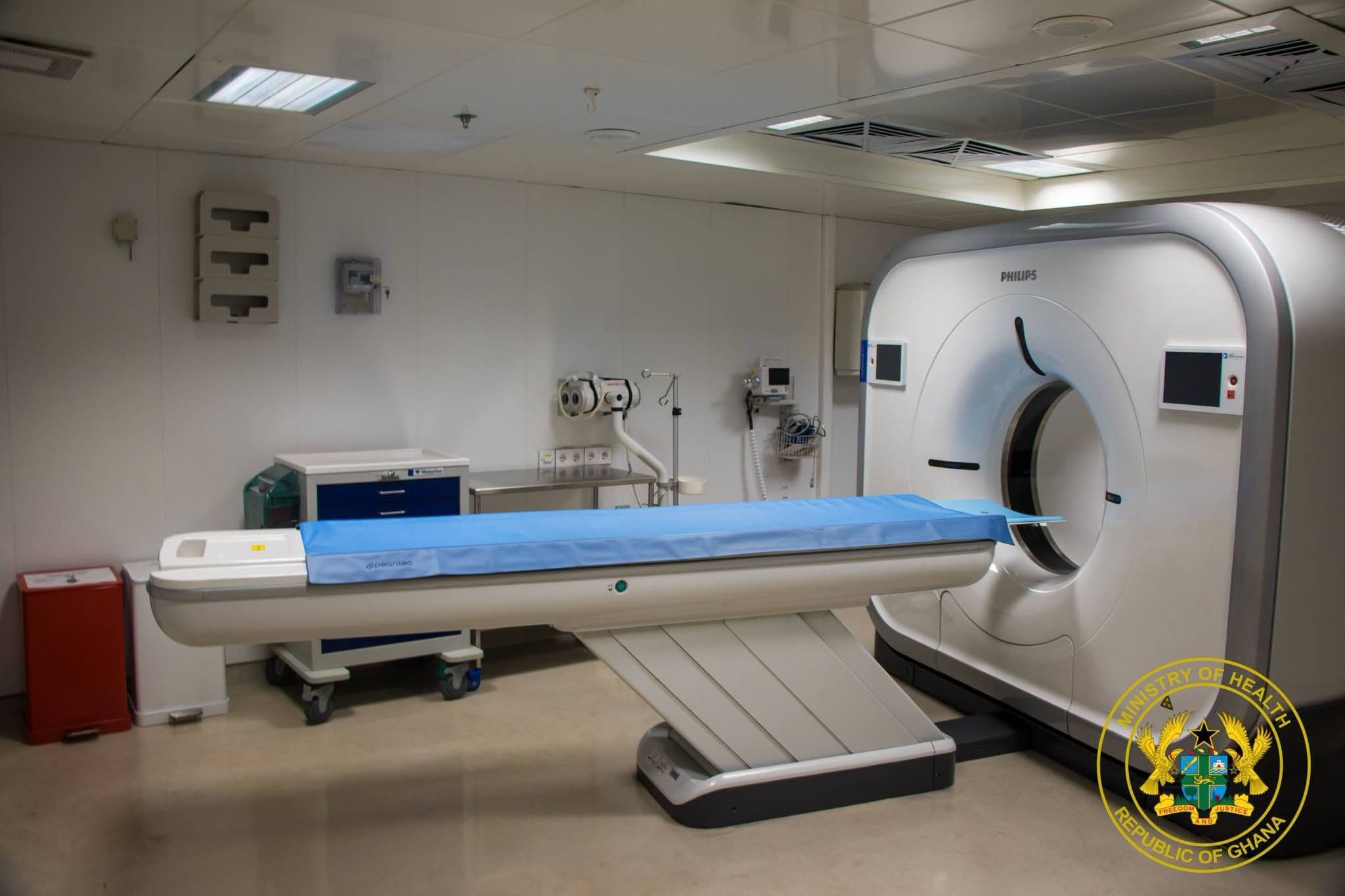
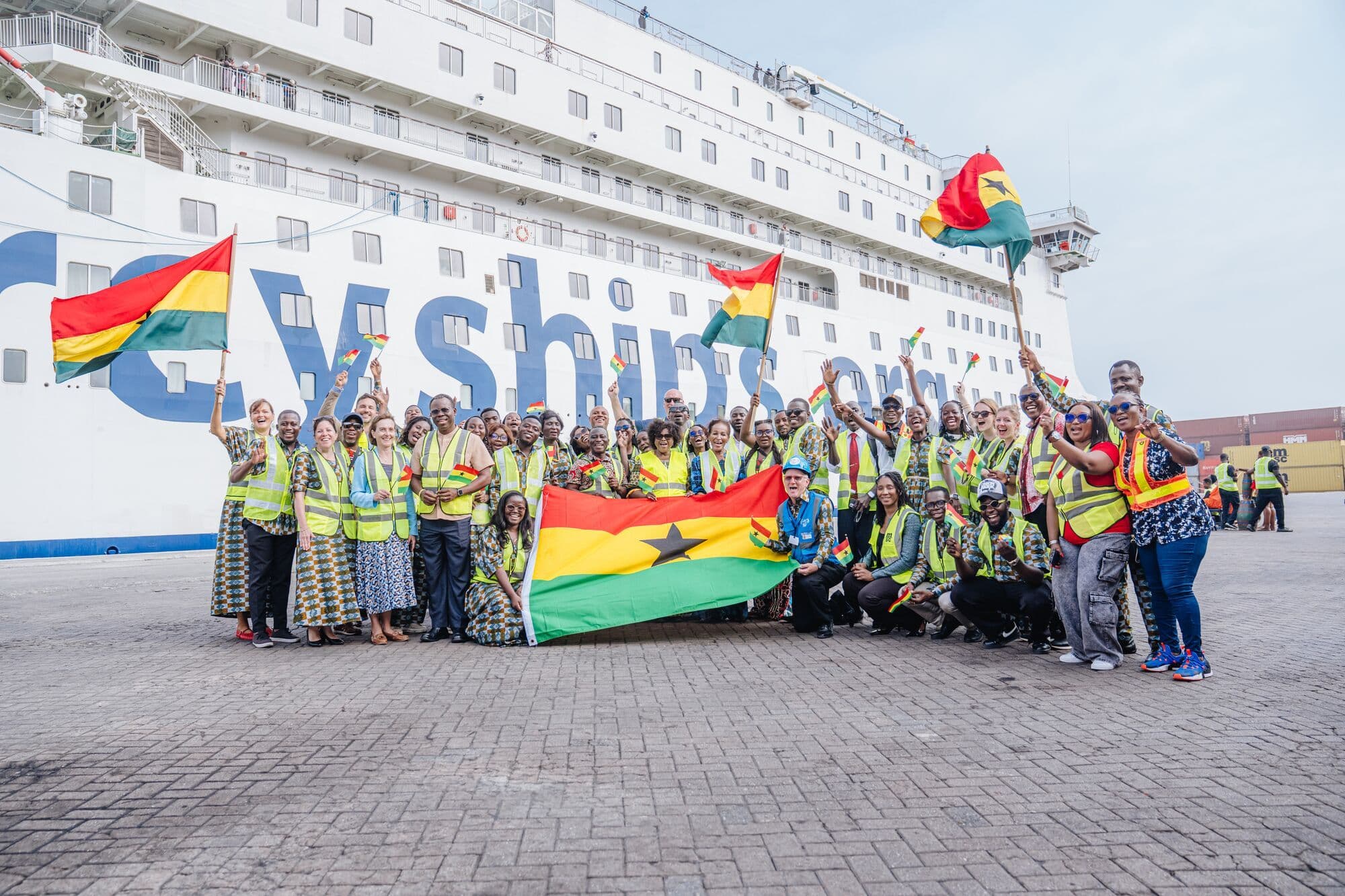
The Global Mercy docked at the Port of Tema on 17 August 2026 and will remain in Ghana until June 2027. It is the largest purpose-built civilian hospital ship in the world, and for the next ten months it functions as exactly what it looks like: a hospital, with operating theatres, a CT scanner, an intensive care unit and beds for close to 200 patients, that happens to float.
If you or someone in your family has been living with a surgical condition you could not afford to treat, this article is about whether you qualify and what happens next.
Which conditions qualify
The surgical programme is specific rather than general. Volunteer teams treat conditions that are medically well-defined and correctable in a single admission, which is why the list looks the way it does.
Eye conditions. Cataract surgery is one of the highest-volume procedures. A clouded lens is removed and vision is restored, usually within a day or two. For an older adult who has stopped working, stopped moving around independently and stopped recognising faces, this is the difference between dependence and a normal life.
Facial and body tumours. Maxillofacial tumours, lipomas and other benign growths are removed. These are rarely life-threatening in the short term, which is precisely why they go untreated for years while they grow.
Cleft lip and palate. Repaired in children and adults. Beyond appearance, an unrepaired cleft palate affects feeding in infancy, speech development in childhood and school attendance throughout.
Childhood bone conditions. Bow legs and knock knees are corrected surgically. Timing matters here more than in most categories. Corrected in childhood, a child walks normally for life. Left alone, the deformity worsens and brings joint pain and mobility loss in adulthood.
Obstetric fistula. An injury caused by prolonged obstructed labour, leaving a woman with continuous incontinence. It is surgically repairable, and repair frequently ends years of social isolation. Ghana has women living with this condition who do not know it can be fixed.
Burn contractures and reconstructive surgery. Where healed burn scars have tightened and locked a joint, releasing the contracture restores movement in a hand, arm or neck.
Hernias and general surgery, including paediatric cases.
Dental care. Between 1,610 and 2,145 dental treatments are expected over the field service, delivered at a shore-based clinic rather than on the ship.
Across the ten months, teams expect to perform between 1,950 and 2,600 free surgeries.
How to be considered ?
You cannot walk up to the ship. There is no gangway queue and no walk-in surgical clinic. Every patient comes through a national registration and screening process run with the Ministry of Health.
Screening is by assessment, not first-come. At a screening centre, clinicians conduct a medical examination and investigations to establish whether your condition falls within the surgical programme and whether surgery is safe for you specifically. Some people are turned down not because the condition doesn't qualify but because an underlying health issue makes the operation too risky. That judgement is made by doctors, in your interest.
Approved patients are contacted and scheduled. You will not be operated on the day you are screened. Selected patients are called when a slot opens in the surgical calendar.
There is support around the surgery itself. The HOPE Centre on shore accommodates patients before and after their procedures, so people travelling from outside Greater Accra are not trying to manage pre-operative preparation and post-operative recovery from a distance.
It is free at every stage. Screening, surgery, the hospital stay and follow-up carry no charge. No one is authorised to take payment to secure a place on the surgical list, and no payment can secure one.
If you are not selected ?
A refusal at screening is a clinical judgement about one specific surgical programme. It is not a statement that your condition is untreatable. Ghana's teaching hospitals Korle Bu, Komfo Anokye, and Tamale handle most of these procedures routinely, and NHIS covers a proportion of surgical care. If you were turned down, ask the screening clinician why, and ask specifically whether the reason was the programme's scope or your own fitness for surgery. Those two answers point in different directions, and the second one is often something you can work on.
Why does Ghana need this ?
Ghana has one of the stronger health systems in West Africa, and it is fair to ask what a visiting ship adds. The answer is distribution. Surgical specialists are concentrated unevenly across the country, and district hospitals where most essential operations actually take place, often work without reliable imaging or full operating-room supplies. More than three-quarters of surgical operations performed in Ghana are essential procedures. The bottleneck is not that the surgery is unknown. It is that the specialist, the equipment and the patient are frequently not in the same place at the same time.
This is Mercy Ships' fifth field service in Ghana and the first since 2007, a gap of nineteen years. The partnership dates to 1991, when the organisation's earlier flagship Anastasis worked here. Previous visits delivered more than 2,600 surgeries, roughly 16,700 dental procedures and training for 139 health workers. In 2021, with no ship in port, the relationship continued through emergency PPE donations.
The benefit to healthcare workers
Between 100 and 250 Ghanaian healthcare professionals will train aboard during this field service. Surgeons, nurses, anaesthesia providers, dental staff, biomedical technicians and sterile processing teams. The format is clinical mentoring, simulation and supervised placement alongside international volunteers.
This is aimed at a problem the organisation has been direct about: across much of West Africa, opportunities for advanced training and access to current equipment are scarce, and that scarcity is one reason skilled clinicians leave for Europe, Australia and North America. A shipboard placement is a modest counterweight, but it is a real one, and it is the component that stays behind.
The work also connects to Ghana's National Surgical, Obstetric and Anaesthesia Plan, launched in 2024 to widen access to safe surgery nationwide. Health Minister Kwabena Mintah Akandoh has been clear that the ship should be understood as support for that plan rather than a standalone event, and that the real measure of success is what remains with patients, workers and institutions after June 2027.
What this means for you
If you have a condition on the list above and cost has been the reason you have not treated it, find out whether you qualify. Go through official channels only. Ask questions at screening. And if the answer is no, treat it as information about one programme rather than a verdict on your health.
For a few thousand Ghanaians over the next ten months, a ship at Tema will end something they had accepted as permanent.
Need Our Services?
Book an appointment with our experienced healthcare professionals.