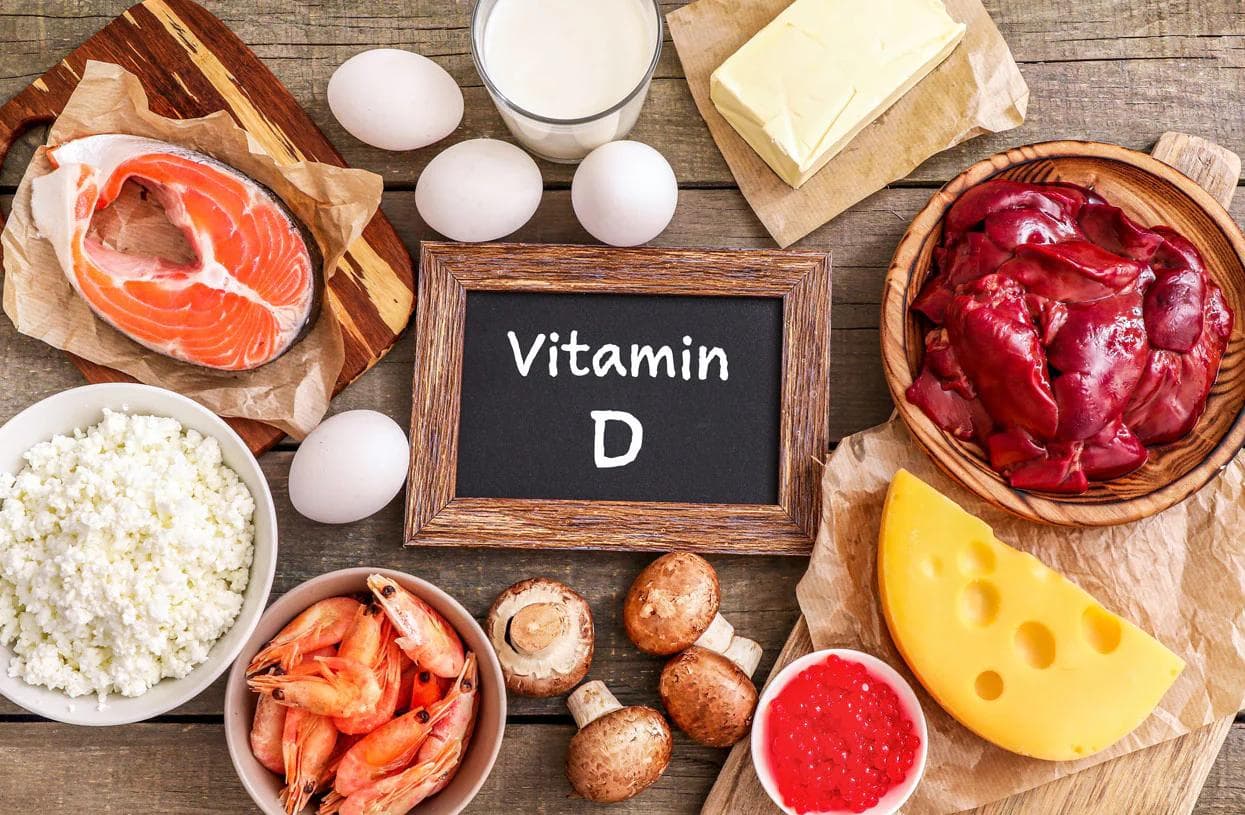
Are You Vitamin D Deficient Despite Living In a Sunny Region ?
Living in Ghana, a country blessed with abundant sunshine, it’s easy to assume that Vitamin D deficiency is not our problem. Surprisingly, the opposite is true.
Despite our sunny climate, many Ghanaians are deficient in Vitamin D3 an essential nutrient critical for bone health, immune function, and even mental wellbeing. Busy schedules, indoor lifestyles, and limited intentional sun exposure mean we are not getting enough of this vital vitamin.
Why Vitamin D3 Matters More Than You Think

Vitamin D3 plays a key role in:
- Strengthening bones and teeth
- Supporting immune defence
- Regulating mood and mental wellbeing
- Improving muscle function
Low levels of Vitamin D3 have been associated with fatigue, frequent illness, bone pain, and low mood. In some cases, people may not notice symptoms at all, which is why deficiency often goes undiagnosed.
Why Vitamin D3 Needs Vitamin K2
Vitamin D3 works best when paired with Vitamin K2.
Vitamin D3 helps the body absorb calcium, but Vitamin K2 ensures that calcium is deposited in the right places such as bones and teeth rather than accumulating in soft tissues like arteries.
This powerful combination:
- Supports bone strength
- Promotes cardiovascular health
- Helps regulate calcium metabolism
Together, they may reduce the risk of conditions such as osteoporosis and cardiovascular disease by supporting healthy calcium placement.
The Ghanaian Sunshine Myth: Why We’re Still Deficient
In Ghana, sunshine is abundant, yet several factors limit Vitamin D production:
- Indoor lifestyles (office work, school, long commutes)
- Avoidance of peak sun hours
- Darker skin tone, which reduces Vitamin D synthesis
- Sunscreen and protective clothing
- Urban living with limited outdoor time
As a result, many people are unknowingly deficient despite living in a tropical climate.
The Often-Missed Nutrient: Vitamin K2
While Vitamin D3 gets most of the attention, Vitamin K2 deficiency is also common.
Vitamin K2 is found mainly in:
- Fermented foods
- Certain animal products
If your diet lacks these, you may not be getting enough K2 to support calcium balance in the body.
What Can You Do?
Here are practical, evidence based steps:
Get tested
A blood test (25-hydroxy Vitamin D) is the most reliable way to know your levels.
Consider supplementation
Supplement with Vitamin D3 and K2 if recommended by a healthcare professional.
Improve dietary intake
Eat foods rich in Vitamin D and K2.
Get intentional sun exposure
Spend 20–40 minutes in the sun several times a week, exposing arms and legs when possible [duration varies by skin tone].
Ghanaian Foods That Support Vitamin D3 and K2
Vitamin D–Rich Foods
Fatty Fish (Best Natural Source)
- Mackerel
- Sardines
- Tuna
- Herrings
Common Ghanaian meals:
- Grilled mackerel or sardines
- Light soup with fish
- Palm nut soup with fish
Eggs
- Especially egg yolks
- Local/free-range eggs may contain slightly higher Vitamin D
Easy addition:
- Boiled eggs with waakye or bread
Fortified Foods
- Some powdered milk
- Some breakfast cereals
- Margarine
Organ Meats
- Beef liver
- Goat liver
- Chicken liver and gizzards
Cheese
- Especially aged cheeses (available mainly in urban supermarkets)
Leafy Greens
Leafy greens are rich in Vitamin K1, which the body converts only partially to K2.
- Kontomire (cocoyam leaves)
- Spinach
- Alefu
- Garden eggs leaves
Fermented Foods
- Dawadawa (fermented locust beans)
- Fermented maize foods such as banku and kenkey [contain minimal K2 but support gut health]
A Ghanaian Diet for Better Vitamin D & K Intake
Breakfast
- Boiled eggs with tea made using fortified milk
- Millet porridge with milk
Lunch
- Waakye with grilled fish
- Kontomire stew with boiled yam
Dinner
- Banku with grilled mackerel
- Light soup with fish and garden eggs
Frequently Asked Questions
Why should I test for Vitamin D deficiency?
Symptoms are often subtle or absent. Testing helps guide safe and effective supplementation.
Can I get enough Vitamin D from food alone?
Food helps, but sunlight remains the primary source. Many people still need supplements.
Is it safe to take Vitamin D daily?
Yes, when taken in appropriate doses. Excess intake can be harmful — always follow medical guidance.
Who is most at risk in Ghana?
- Office workers
- Students
- Elderly individuals
- People with darker skin
- Individuals with limited outdoor exposure
Need Our Services?
Book an appointment with our experienced healthcare professionals.